

The Importance of Regular Heating Maintenance

Updated: Feb 12
Heating maintenance is more than just a routine task; it is a vital part of home care. Systems that are regularly inspected and serviced perform better and consume less energy. Here are some key reasons why heating maintenance should be a priority:
Improved Efficiency: Dust, dirt, and worn parts can reduce your system’s efficiency. Regular cleaning and adjustments help maintain optimal performance.
Lower Energy Bills: An efficient heating system uses less fuel or electricity, saving money on energy costs.
Extended Equipment Life: Routine check-ups catch minor issues before they become major problems, extending the lifespan of your heating system.
Enhanced Safety: Faulty heating systems can pose risks such as carbon monoxide leaks or fire hazards. Regular inspections ensure safety features are working correctly.
Consistent Comfort: Well-maintained systems provide steady and reliable heat, avoiding cold spots or uneven temperatures.

Regular maintenance keeps heating controls functioning properly.
Key Components Checked During Heating Maintenance
A thorough heating system check-up involves inspecting several critical components. Understanding what is checked can help homeowners appreciate the value of professional servicing.
1. Thermostat Calibration
The thermostat controls the temperature settings. Technicians ensure it is calibrated correctly to maintain accurate room temperatures.
2. Heat Exchanger Inspection
The heat exchanger transfers heat from the burner to the air. Cracks or damage here can cause dangerous leaks, so it is carefully examined.
3. Burner and Flame Check
Burners are cleaned and adjusted to ensure a clean, efficient flame. A yellow or irregular flame can indicate problems.
4. Air Filters and Vents
Dirty filters restrict airflow and reduce efficiency. Filters are replaced or cleaned, and vents are checked for blockages.
5. Electrical Connections
Loose or corroded wiring can cause system failures. All electrical components are inspected and tightened as needed.
6. Safety Controls
Safety devices such as limit switches and carbon monoxide detectors are tested to ensure they function properly.
7. Fuel Supply
For gas or oil systems, the fuel supply lines and connections are checked for leaks or damage.
Regular attention to these components helps prevent breakdowns and keeps the system running smoothly.
How Often Should Heating Maintenance Be Performed?
Experts recommend scheduling heating system check-ups at least once a year, ideally before the heating season begins. This timing allows any necessary repairs or adjustments to be made before the system is in heavy use.
For older systems or those with frequent issues, more frequent inspections may be beneficial. Additionally, if you notice unusual noises, inconsistent heating, or rising energy bills, it is wise to arrange a check-up promptly.

Annual inspections help identify issues early and maintain system reliability.
Benefits of Professional Heating Services
While some basic maintenance tasks can be done by homeowners, professional heating services provide comprehensive care that ensures safety and efficiency. Certified technicians have the training and tools to:
Detect hidden problems that may not be obvious
Perform precise adjustments and repairs
Comply with safety regulations and standards
Provide expert advice on system upgrades or replacements
Using professional heating services guarantees that your heating system receives the best possible care, reducing the risk of costly repairs and improving overall performance.
Tips for Homeowners to Support Heating Maintenance
In addition to scheduling professional check-ups, homeowners can take simple steps to support their heating system’s health:
Change or clean filters regularly (every 1-3 months depending on usage)
Keep vents and registers clear of furniture or obstructions
Monitor thermostat settings and avoid drastic temperature changes
Listen for unusual noises and report them promptly
Check for drafts or leaks around windows and doors to improve heating efficiency
These small actions complement professional maintenance and help keep your home warm and comfortable.
Preparing for Winter with Reliable Heating Maintenance
As winter approaches, ensuring your heating system is in top condition is essential. Regular check-ups not only improve comfort but also provide peace of mind knowing your home is safe and energy-efficient.
Scheduling a heating system inspection early allows time to address any issues before the cold weather sets in. Whether you have a gas boiler, electric heater, or another type of system, professional maintenance is a smart investment.
By combining expert heating services with simple homeowner care, you can enjoy a warm, safe, and cost-effective heating season.
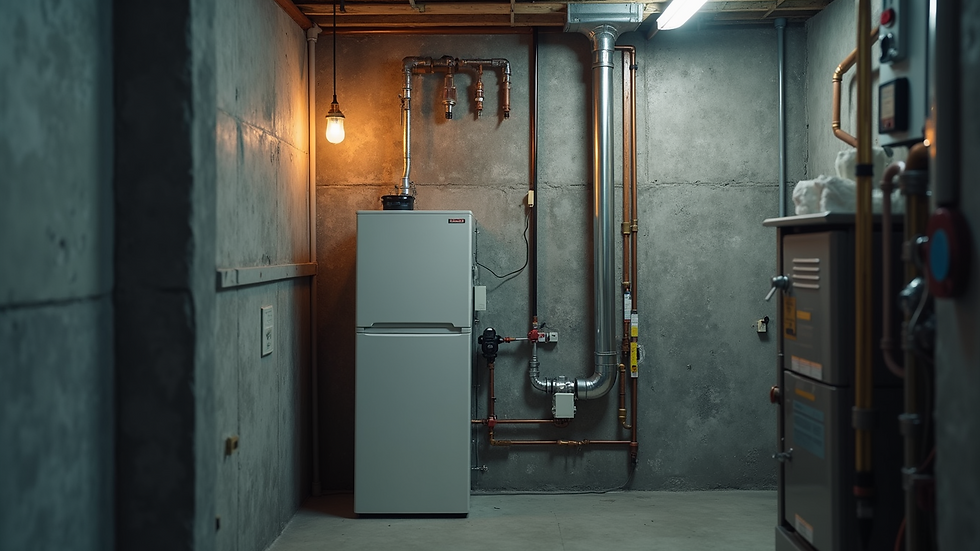
Proper maintenance ensures heating systems are ready for winter demands.
The Bottom Line: Prioritize Heating Maintenance
Regular heating system check-ups are essential for maintaining comfort, safety, and efficiency in your home. Don’t wait for a breakdown to take action - proactive heating maintenance saves money and stress in the long run.
By ensuring your heating system is well-maintained, you can enjoy a warm and inviting home throughout the cold months.


Comments